Vitamin D for Skin: The Science Behind Healthier Skin [2026 Guide]

Introduction
Did you know that 70% of people with chronic skin conditions have vitamin D deficiency? This startling statistic reveals a hidden connection that many overlook when battling persistent skin problems.
Vitamin D for skin health is not just another wellness trend it’s a scientifically-backed approach to achieving healthier, more radiant skin from the inside out. Often called the “sunshine vitamin,” vitamin D plays a crucial role in skin cell growth, repair and protection against premature aging.
In this comprehensive guide, you will discover the science behind vitamin D’s skin benefits, learn to recognize deficiency symptoms and explore proven solutions to optimize your vitamin D levels for glowing skin. Whether you’re dealing with acne, psoriasis, premature aging or simply want to maintain your skin’s youthful appearance, understanding the vitamin D and skin connection could transform your skincare approach.
Understanding Vitamin D and Your Skin
How Your Skin Makes and Uses Vitamin D
Your skin serves a dual purpose when it comes to vitamin D it’s both a producer and a target organ. When UVB rays from sunlight hit your skin, they trigger a fascinating conversion process. A compound called 7-dehydrocholesterol in your skin cells transforms into vitamin D3, which then travels through your bloodstream to become the active form your body uses.
According to research from the National Institutes of Health, Type B UV (UVB) radiation with a wavelength of approximately 290 to 320 nanometers penetrates uncovered skin and converts cutaneous 7-dehydrocholesterol to previtamin D3, which in turn becomes vitamin D3
What makes this relationship even more remarkable is the presence of vitamin D receptors (VDR) throughout your skin cells. These receptors act like specialized locks waiting for the this “key” to activate essential skin functions.
The Science Behind Vitamin D’s Skin Benefits
It functions as a master switch for skin health, influencing multiple critical processes:
- Keratinocyte Differentiation: Vitamin D regulates how skin cells mature and organize, ensuring a strong, healthy skin barrier that keeps moisture in and irritants out.
- Anti-Inflammatory Power: By modulating cytokines (inflammatory messengers), vitamin D helps calm redness, irritation, and chronic inflammatory skin conditions.
- Antimicrobial Defense: Vitamin D triggers the production of cathelicidin, a natural antimicrobial peptide that protects against bacteria, fungi, and viruses that can cause skin infections and acne.
- Collagen Synthesis: Perhaps most exciting for anti-aging enthusiasts, vitamin D supports collagen production, helping maintain skin elasticity and firmness while reducing fine lines.
- Cell Turnover Regulation: Proper levels ensure healthy skin cell renewal, preventing the buildup of dead cells that leads to dullness and clogged pores.
Key Takeaway: Think of vitamin D as your skin’s operating system without adequate levels, multiple essential functions slow down or malfunction, leading to visible skin problems.
Recognizing Vitamin D Deficiency in Your Skin
Primary Skin Symptoms of Low Vitamin D
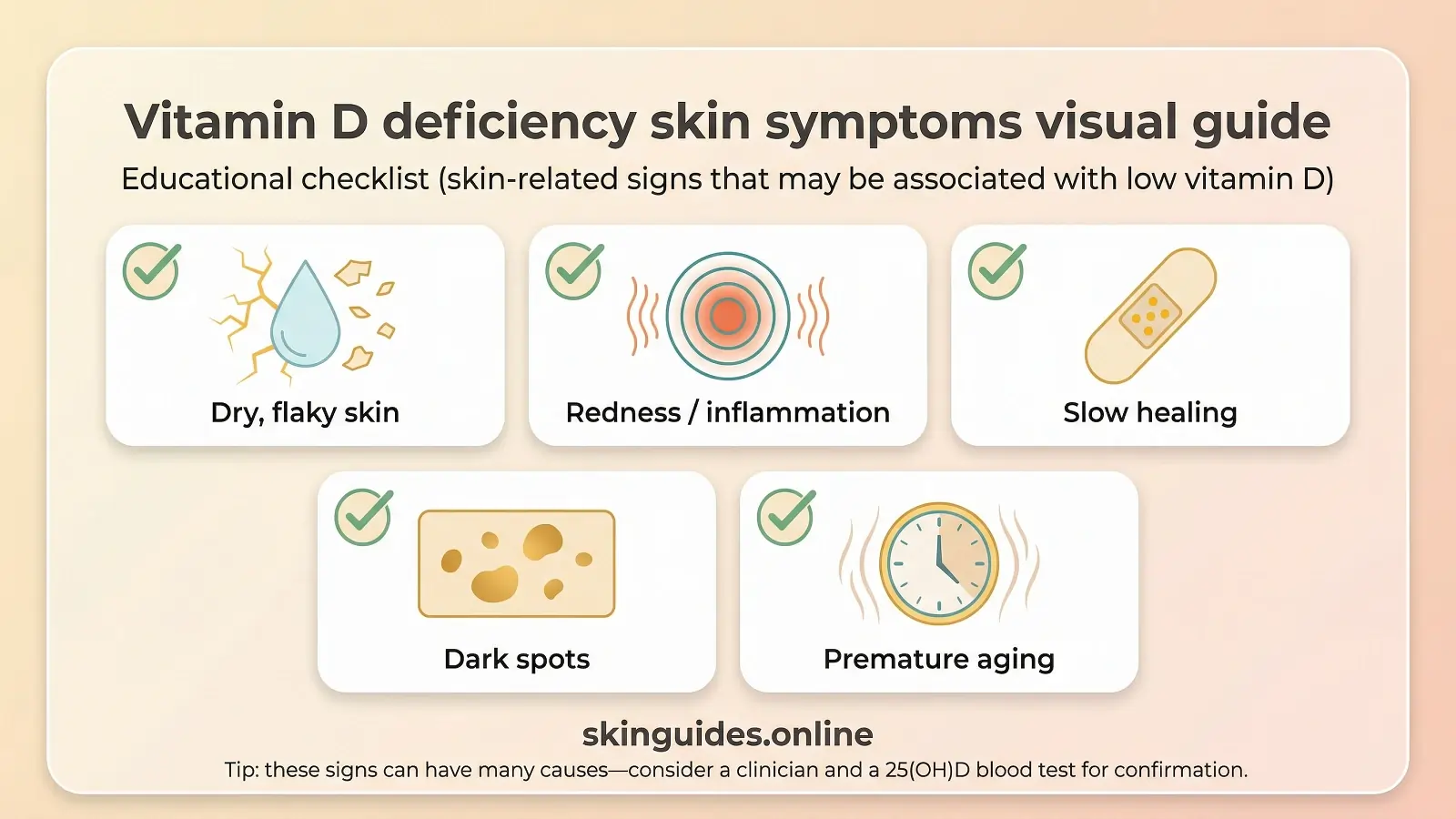
Your skin often shows the first warning signs of vitamin D deficiency. Watch for these common indicators:
- Dry, Flaky Skin: When vitamin D levels drop, your skin barrier weakens, allowing moisture to escape. If your skin feels constantly dry despite using moisturizers, vitamin D deficiency could be the culprit.
- Increased Inflammation and Redness: Unexplained skin sensitivity, redness or frequent flare-ups may signal insufficient vitamin D to manage inflammatory responses.
- Slow Wound Healing: Cuts, scrapes, and blemishes that take longer than usual to heal often indicate low vitamin D levels, as the vitamin is essential for tissue repair.
- Dark Spots and Uneven Pigmentation: Vitamin D helps regulate melanin production. Deficiency can lead to hyperpigmentation and stubborn dark spots.
- Premature Aging Signs: Fine lines, loss of elasticity, and dull complexion appearing earlier than expected may reflect inadequate vitamin D for collagen synthesis.
Skin Conditions Linked to Vitamin D Deficiency
Research has established strong connections between vitamin D deficiency and several chronic skin conditions:
- Psoriasis: Studies show correlation between low vitamin D levels and PASI (Psoriasis Area Severity Index) scores
- Eczema/Atopic Dermatitis: SCORAD index studies reveal improved symptoms with adequate vitamin D
- Acne: Vitamin D deficiency affects sebaceous gland function and antimicrobial defense
- Vitiligo: Vitamin D plays a role in melanocyte function and pigmentation
- Chronic Wounds: Delayed healing is a hallmark of vitamin D insufficiency
Self-Assessment Guide
Consider getting your 25-hydroxyvitamin D levels tested if you:
- Spend limited time outdoors
- Have darker skin pigmentation
- Live in northern latitudes
- Are over 50 years old
- Have digestive issues affecting nutrient absorption
- Experience multiple skin symptoms listed above
Optimal vitamin D levels for skin health typically range between 40-60 ng/mL.
Vitamin D Solutions for Skin Health
Choosing the Right Form of Vitamin D
When supplementing for skin health, vitamin D3 (cholecalciferol) significantly outperforms vitamin D2 (ergocalciferol). D3 is the natural form your skin produces and is more effectively absorbed and utilized by your body.
Oral Supplementation
Optimal Dosing: Most dermatologists recommend 1,000-4,000 IU daily for maintaining skin health, though individual needs vary based on current levels and deficiency severity.
Absorption Tips:
- Take vitamin D with a fat-containing meal for 50% better absorption
- Morning or midday dosing is ideal
- Consistency matters more than timing
Timeline for Results: Expect to see noticeable skin improvements within 6-12 weeks of consistent supplementation, though some people notice changes sooner.
Topical Vitamin D for Targeted Treatment
Topical vitamin D offers direct benefits for specific skin concerns:
- Prescription Options: Calcipotriol (Calcipotriene) remains the gold standard for conditions like psoriasis, slowing abnormal skin cell growth and reducing inflammation.
- OTC Products: Vitamin D creams and serums are increasingly available for general skin health, though potency varies significantly between products.
When Topical Works Best:
- Localized skin conditions
- When oral supplementation isn’t sufficient
- For targeted anti-aging benefits
- When paired with oral supplementation for maximum effect
Application Technique: Apply thin layers to clean, dry skin, focusaing on affected areas. Most prescription topicals are used once or twice daily.
Natural Sun Exposure Strategy
While supplements and topicals are effective, nothing quite matches your skin’s natural vitamin D production capabilities.
Safe Sun Guidelines:
- Aim for 15-20 minutes of midday sun exposure
- Expose arms and legs without sunscreen during this brief period
- Darker skin tones may need longer exposure times
- Always protect your face (it contributes minimally to vitamin D synthesis anyway)
It’s worth noting the American Academy of Dermatology’s position that there’s no scientifically proven safe level of UV exposure for vitamin D synthesis without increasing skin cancer risk. The AAD recommends getting vitamin D through diet and supplements rather than unprotected sun exposure, while maintaining comprehensive sun protection including SPF 30+ sunscreen when outdoors.
Seasonal Adjustments: In winter months or northern locations, sun exposure may be insufficient, making supplementation essential. This seasonal drop in UVB availability explains why [vitamin D skin problems in winter] so prevalent—triggering eczema flare-ups, psoriasis worsening, and persistent dryness that affect millions between October and March.
| Method | Effectiveness | Timeline | Risks | Cost |
|---|---|---|---|---|
| Oral Supplements | High | 6-12 weeks | Low (if dosed correctly) | Low |
| Topical | Moderate-High | 4-8 weeks | Minimal | Moderate |
| Sun Exposure | High | Ongoing | Skin damage risk | Free |
Condition-Specific Vitamin D Protocols
For Acne-Prone Skin
Vitamin D’s antimicrobial and anti-inflammatory properties make it valuable for acne management. Research suggests 1,000-2,000 IU daily, combined with topical acne treatments, may reduce breakouts within 8-12 weeks. The vitamin helps regulate sebum production and fights acne-causing bacteria through cathelicidin production.
For Anti-Aging and Skin Elasticity
To maximize vitamin D’s collagen-boosting benefits:
Combine 2,000-4,000 IU vitamin D3 with [vitamin C for enhanced collagen synthesis]
- Combine 2,000-4,000 IU vitamin D3 with vitamin C (for collagen synthesis)
- Add vitamin E and zinc for enhanced antioxidant protection
- Consider topical vitamin D serums for direct anti-aging effects
- Allow 3-6 months for visible improvements in fine lines and elasticity.
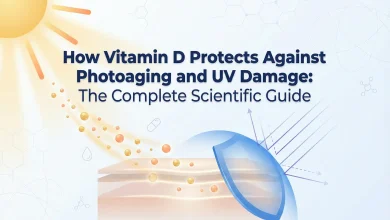
For those specifically concerned about sun damage and premature aging, our in-depth guide on how vitamin D protects against photoaging and UV damage reveals the molecular mechanisms behind vitamin D’s powerful anti-aging effects, including DNA repair enhancement and collagen preservation.
For Inflammatory Conditions (Psoriasis/Eczema)
Those with psoriasis or eczema may benefit from higher doses under medical supervision. A 2023 randomized clinical trial published in JAMA Dermatology examined vitamin D supplementation effects on psoriasis severity, though results showed that vitamin D supplementation did not affect psoriasis severity, with low baseline severity scores and less-than-expected increases in 25(OH)D levels potentially affecting results.
However, prescription topical vitamin D analogues remain first-line treatments for psoriasis. Always integrate vitamin D therapy with prescribed medications rather than replacing them, and monitor progress with your dermatologist. Oral vitamin D supplementation might be effective as an adjuvant treatment option in psoriasis, particularly when combined with other therapies.
For Dark Spots and Hyperpigmentation
It helps regulate melanocyte activity, potentially improving uneven skin tone. Combine supplementation with vitamin C, niacinamide, or other brightening ingredients. Realistic expectations are important—noticeable improvements typically take 3-4 months of consistent use.
Maximizing Vitamin D Benefits
Complementary Nutrients and Ingredients
Vitamin D works synergistically with several nutrients:
- Vitamin K2: Directs calcium to bones, preventing potential calcification issues
- Magnesium: Essential for vitamin D activation in the body
- Zinc: Supports vitamin D receptor function and skin healing
- Omega-3 Fatty Acids: Enhance vitamin D absorption and provide additional anti-inflammatory benefits
Foods that enhance vitamin D absorption include fatty fish, egg yolks, fortified dairy products and mushrooms exposed to UV light. For a comprehensive approach to skin nutrition, explore our [anti-aging diet for skin guide] that complements your vitamin D supplementation strategy.
Common Mistakes to Avoid
- Overdosing Risks: While rare, excessive vitamin D (typically above 10,000 IU daily for extended periods) can cause hypercalcemia. Stick to recommended doses and monitor levels periodically.
- Timing Errors: Avoid taking vitamin D at night, as it may interfere with melatonin production and sleep quality.
- Storage Issues: Keep vitamin D supplements away from heat and light to maintain potency.
Monitoring Your Progress
Track these skin improvement markers:
- Overall hydration levels
- Reduction in inflammation or redness
- Healing speed of blemishes
- Skin tone evenness
- Fine line appearance
Retest vitamin D levels after 3 months of supplementation to adjust dosing appropriately.
Expert Insights & Evidence
What Dermatologists Say
Dr. Michael Holick, a leading vitamin D researcher, notes that “vitamin D deficiency is an unrecognized epidemic that has consequences for skin health that we’re only beginning to understand.”
Recent 2023-2024 studies continue to reinforce the vitamin D and skin connection, with clinical trials showing significant improvements in psoriasis symptoms, wound healing rates and overall skin barrier function when vitamin D levels are optimized.
Real User Experiences
Clinical observations reveal that patients who maintain optimal vitamin D levels consistently report:
- Reduced eczema flares (up to 40% improvement reported)
- Faster healing from acne lesions
- Improved skin hydration and texture
- More even skin tone over time
Most users notice initial improvements within 4-6 weeks, with maximum benefits appearing around the 12-week mark.
Your Personalized Vitamin D Skin Plan
Quick Start Guide
Step 1: Assess Your Status
Get a 25-hydroxyvitamin D blood test to establish your baseline. Optimal range for skin health is 40-60 ng/mL.
Step 2: Choose Your Method
Based on your levels and preferences, select oral supplementation, topical application, sun exposure or a combination approach.
Step 3: Implement Supporting Changes
Add vitamin D-rich foods to your diet, optimize complementary nutrients and adjust your skincare routine to include vitamin D-friendly products.
Step 4: Monitor and Adjust
Track skin improvements, retest levels after 3 months and adjust your protocol as needed.
Frequently Asked Questions
How long does it take for vitamin D to improve skin?
Most people notice improvements within 6-12 weeks of consistent supplementation, though some experience changes as early as 4 weeks.
Can I take too much vitamin D for my skin?
Yes. While vitamin D toxicity is rare, exceeding 10,000 IU daily for extended periods can cause problems. Stick to 1,000-4,000 IU unless directed otherwise by a healthcare provider.
Is vitamin D good for wrinkles?
Absolutely. It supports collagen synthesis and skin cell renewal, both essential for reducing fine lines and maintaining skin elasticity.
Should I stop using sunscreen to get more vitamin D?
No. Brief, unprotected sun exposure (15-20 minutes) on arms and legs is sufficient. Always protect your face and avoid extended unprotected exposure.
What’s the best time of day to take vitamin D?
Morning or midday with a fat-containing meal optimizes absorption and avoids potential sleep disruption.
Can vitamin D cause skin problems?
When taken appropriately, vitamin D rarely causes skin issues. However, some people may experience sensitivity to topical vitamin D products initially.
Conclusion
Vitamin D for skin health represents one of the most underutilized strategies for achieving radiant, healthy skin. From supporting collagen production and fighting inflammation to accelerating wound healing and regulating cell turnover, this essential nutrient truly acts as a master switch for skin wellness.
Your action steps for today:
- Schedule a vitamin D blood test
- Begin supplementing with 1,000-2,000 IU vitamin D3 daily
- Incorporate vitamin D-rich foods into your diet
- Track your skin’s progress over the coming weeks
Remember, consistency is key. Give your body time to respond, and you will likely join the countless others who have discovered the transformative power of optimized levels for their skin.
Medical Disclaimer: This content is for informational purposes only and does not constitute medical advice. Always consult with a qualified healthcare provider before starting any supplement regimen. Individual results may vary based on personal health factors, and this information should not replace professional medical guidance.