Vitamin A During Pregnancy: Benefits, Risks, and Safe Limits!
The Vitamin A Pregnancy Paradox You Need to Understand
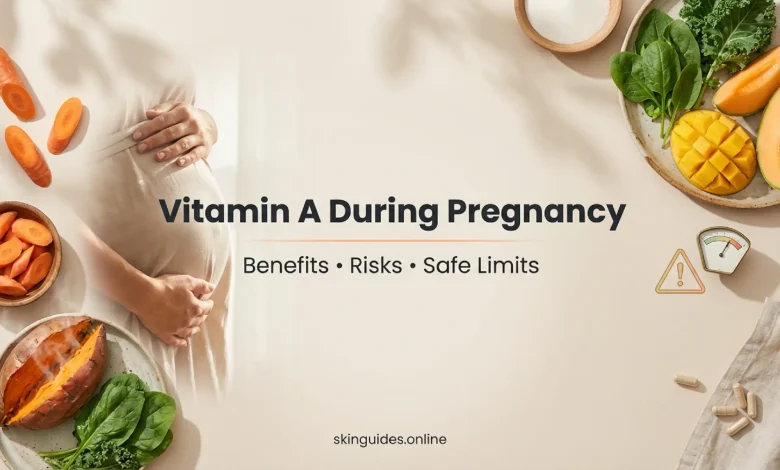
If you are pregnant or planning to be, here is something that might surprise you: the vitamin that’s essential for your baby’s development could also be their biggest threat. Understanding vitamin A and pregnancy is crucial for every expectant mother. Many women ask themselves, “Can I take vitamin A while pregnant?” The answer depends entirely on the form and amount and what happens if you have too much vitamin A during pregnancy is more serious than most expecting mothers realize.
Every day, concerned mothers-to-be wonder, “Can pregnant women take vitamin A supplements?” or “Is vitamin A bad for pregnant women?” The answer is not a simple yes or no. While your growing baby absolutely needs vitamin A for healthy eye development, immune function and cell growth, crossing the safety threshold can lead to devastating birth defects. The good news? With the right knowledge, preventing vitamin A toxicity is entirely manageable.
In this comprehensive guide, we will walk you through everything you need to know about vitamin A for pregnant women from understanding safe limits to recognizing danger signs and most importantly, how to ensure you’re getting just the right amount for both you and your baby.
Understanding Hypervitaminosis A During Pregnancy
What Exactly Is Vitamin A Toxicity?
Hypervitaminosis A during pregnancy is the medical term for vitamin A toxicity a condition that occurs when excessive amounts of preformed vitamin A accumulate in your body. Unlike water-soluble vitamins that your body can easily flush out, vitamin A is fat-soluble, meaning it stores in your liver and fatty tissues, building up to potentially dangerous levels over time.
Here’s the critical fact every pregnant woman should know: understanding why is vitamin A harmful during pregnancy comes down to one key concept high doses of vitamin A in pregnancy are teratogenic, meaning they can cause birth defects. The teratogenic threshold the point at which vitamin A becomes dangerous is surprisingly easy to reach with certain foods and supplements.
This explains why vitamin A is not good for pregnant women when consumed in excessive amounts through supplements or concentrated food sources. The effect of vitamin A in pregnancy varies dramatically based on the form you consume and the timing of exposure.
Recognizing the Warning Signs
Maternal Symptoms Include:
- Severe, persistent headaches that don’t respond to typical remedies
- Blurred or double vision
- Extreme nausea beyond typical morning sickness
- Unusual skin changes, including peeling or extreme dryness
- Joint and bone pain
- Excessive fatigue
- Loss of appetite
For a full breakdown of vitamin A toxicity symptoms, see our detailed guide.
The Impact on Your Developing Baby
Why is too much vitamin A bad for babies? The answer lies in how vitamin A affects cellular development. Vitamin A in early pregnancy poses unique risks because this is when your baby’s organs are forming. During the crucial first trimester, excess vitamin A can disrupt normal cell differentiation and migration. Does vitamin A affect the fetus? Absolutely and the effects can be profound.
Signs of vitamin A toxicity in fetus may not be immediately apparent but can include:
- Malformations of the skull and face
- Heart defects
- Central nervous system abnormalities
- Thymus gland dysfunction affecting immune development. (Support your child’s skin health and immune function post-birth with safe dosages and top foods.)
The most vulnerable period? The first 60 days of pregnancy often before many women even know they’re expecting. This timing makes understanding vitamin A safety crucial even when planning pregnancy.
Safe Limits and Dosage Guidelines: Your Essential Reference
How Much Vitamin A Is OK When Pregnant?
Let’s get specific about numbers, because when it comes to how much vitamin A is ok when pregnant, precision matters. The recommended vitamin A for pregnancy has been carefully established by medical authorities:
Recommended Daily Allowance (RDA): 770 micrograms RAE (Retinol Activity Equivalents) or approximately 2,565 IU per NIH Vitamin A Fact Sheet
Upper Intake Level (UL): 3,000 micrograms RAE or approximately 10,000 IU
But here’s where it gets tricky not all vitamin A is created equal and understanding the difference could be the key to your baby’s safety. Many expectant mothers wonder, “Should you take vitamin A when pregnant through supplements?” The answer requires understanding which forms are safe and which pose risks.
Answering Your Specific Dosage Questions
Q: Is 5000 IU Vitamin A safe during pregnancy?
A: This is borderline. If it’s from beta-carotene (plant sources), it’s completely safe. If it’s from retinol (animal sources), you’re approaching the upper limit, especially when combined with dietary sources. This is why understanding vitamin A for pregnant woman guidelines is essential.
Q: Is 10000 IU Vitamin A safe for pregnancy?
A: When it comes to preformed vitamin A (retinol), 10,000 IU reaches the absolute upper limit. Most medical professionals recommend staying well below this threshold, as this amount leaves no room for dietary intake.
Q: What is the maximum amount of vitamin A during pregnancy?
A: The absolute maximum is 3,000 mcg RAE daily, but aiming for the RDA of 770 mcg RAE provides a comfortable safety buffer while meeting nutritional needs.
Forms of Vitamin A: The Critical Distinction Every Mom Must Know
Preformed Vitamin A vs Provitamin A Carotenoids: Understanding the Difference
This distinction between preformed vitamin A vs provitamin A carotenoids might be the most important concept in this entire guide. This knowledge helps you understand why vitamin A is not good for pregnancy in certain forms while being perfectly safe in others.
Preformed Vitamin A (Retinol, Retinyl Esters):
- Found in animal products
- Immediately active in your body
- Can accumulate to toxic levels
- This is why vitamin A not good for pregnancy in high doses applies specifically to this form
Provitamin A Carotenoids (Beta-carotene):
- Found in colorful fruits and vegetables
- Converted to vitamin A only as needed
- Cannot cause toxicity
- Completely safe during pregnancy
Understanding the difference between retinol and beta-carotene for baby development is crucial. While both provide vitamin A, only retinol poses toxicity risks. When considering vitamin A when pregnant, always prioritize plant-based sources.
Foods High in Vitamin A to Avoid During Pregnancy
Vitamin A Rich Foods to Avoid During Pregnancy
Knowing which vitamin A rich foods to avoid during pregnancy can help prevent accidental overconsumption. Here’s your comprehensive guide to vitamin A foods during pregnancy what to limit, what to avoid and what to embrace.
When it comes to foods rich in vitamin A to avoid during pregnancy, organ meats top the list. These vitamin A foods in pregnancy contain dangerously high levels of preformed retinol:
| Food | Vitamin A Content | Risk Level |
|---|---|---|
| Beef liver (3 oz) | ~22,000 IU | AVOID |
| Chicken liver (3 oz) | ~13,000 IU | AVOID |
| Cod liver oil (1 tbsp) | ~13,600 IU | AVOID |
| Liver pâté (2 oz) | ~8,000 IU | AVOID |
| Liverwurst (2 oz) | ~4,500 IU | Limit strictly |
Beef liver consumption in the first trimester is particularly risky. Just one 3-ounce serving of beef liver contains about 22,000 IU of vitamin A more than twice the daily upper limit! Similarly, cod liver oil pregnancy risks are significant, with one tablespoon providing around 13,600 IU.
Additional Foods to Monitor:
- Fish liver oils and supplements
- Fortified breakfast cereals (check labels some contain up to 50% DV per serving)
- Fortified dairy products
- High-dose multivitamins containing retinol
Safe Vitamin A Foods During Pregnancy
While some vitamin A foods for pregnancy are risky, others provide safe beta-carotene that your body converts only as needed. Here’s some reassuring news about common pregnancy concerns: the “Vitamin A in sweet potatoes pregnancy myth” is just that a myth! Sweet potatoes contain beta-carotene, which is completely safe.
Safe vitamin A foods during pregnancy include all plant-based sources because they contain provitamin A carotenoids rather than preformed retinol.
Recommended Vitamin A Foods for Pregnancy
The best vitamin A foods for pregnancy provide beta-carotene without any toxicity risk. These recommended vitamin A foods for pregnancy should form the foundation of your vitamin A intake:
| Top Safe Sources (All Beta-Carotene): | Food | Vitamin A (mcg RAE) | Safety |
|---|---|---|---|
| Sweet potato, baked (1 medium) | 1,096 | ✅ Completely safe | |
| Carrots, raw (1 medium) | 509 | ✅ Completely safe | |
| Spinach, cooked (½ cup) | 573 | ✅ Completely safe | |
| Butternut squash (½ cup) | 572 | ✅ Completely safe | |
| Cantaloupe (1 cup) | 270 | ✅ Completely safe | |
| Red bell pepper (½ cup) | 117 | ✅ Completely safe | |
| Mango (1 cup) | 89 | ✅ Completely safe | |
| Kale, cooked (½ cup) | 443 | ✅ Completely safe |
Similarly, carrots and beta-carotene safety pregnancy is not a concern you could eat carrots every day without any risk of vitamin A toxicity. Your body regulates conversion from beta-carotene, making it impossible to overdose on this form.
Pro Tip: Look for deeply colored orange, yellow, and dark green vegetables. The more vibrant the color, the higher the beta-carotene content!
Understanding Specific Risks and Critical Windows
Types of Birth Defects Associated with Excess Vitamin A
Congenital malformations and vitamin A risks include a specific pattern of defects. Cranial neural crest defects from vitamin A exposure can include:
- Craniofacial abnormalities (cleft palate, ear malformations)
- Cardiac outflow tract defects
- Thymic aplasia or hypoplasia
- Central nervous system malformations
The similarity to isotretinoin embryopathy the pattern of birth defects caused by Accutane is no coincidence. Isotretinoin is essentially a form of vitamin A, which is why it’s absolutely contraindicated during pregnancy.
Trimester-Specific Concerns
High-dose vitamin A in early pregnancy is the most concerning, as this is when organogenesis (organ formation) occurs. Vitamin A during pregnancy first trimester safety is critical because:
- Weeks 3-8: Neural tube and heart formation
- Weeks 4-8: Facial structure development
- Weeks 5-10: Limb development
Understanding when to stop taking vitamin A before pregnancy is also important. If you’re taking high-dose supplements, experts recommend discontinuing them at least 3 months before trying to conceive, allowing your body to normalize vitamin A stores.
What If Scenarios: Practical Guidance for Common Concerns
“I Accidentally Took Too Much!”
“Accidentally took 2 prenatal vitamins vitamin A toxicity concerns” is a common worry, but here’s reassurance: a one-time double dose of prenatal vitamins is unlikely to cause harm. Most prenatal vitamin A formulations contain 2,500-5,000 IU, so doubling once won’t exceed the toxic threshold.
However, if you accidentally took vitamin A during pregnancy in the form of a high-dose supplement (over 10,000 IU), contact your healthcare provider for guidance.
Topical Retinoid Exposure
“Accidentally used retinol cream while pregnant” is one of the most common pregnancy concerns. While topical retinoids absorption during pregnancy is generally minimal, it’s best to discontinue use immediately and inform your provider. The systemic absorption from topical products is typically less than 2%, but caution is still warranted. Looking for a safe skincare alternative? Learn about vitamin C for skin during pregnancy as an effective and dermatologist-approved option for brightening and anti-aging benefits.
Your Vitamin A Pregnancy Questions Answered
Can Pregnant Women Take Vitamin A Supplements?
Yes and no. While vitamin A for pregnant women is essential for fetal development, supplementation requires careful consideration. Many women wonder, “Can I take vitamin A while pregnant in supplement form?” The answer depends on:
- The form: Beta-carotene supplements are safe; retinol supplements should be limited
- The dose: Stay well below 10,000 IU of preformed vitamin A daily
- Your diet: Account for vitamin A from foods before adding supplements
- Your prenatal vitamin: Most already contain adequate amounts
The bottom line: Most pregnant women in developed countries get sufficient vitamin A from their diet and vitamin A prenatal vitamins without needing additional supplementation.
Is Vitamin A Bad for Pregnant Women in Any Form?
Understanding why vitamin A is not good for pregnant women in excess helps you make informed choices. It’s not that all vitamin A is harmful it’s that:
- Preformed vitamin A (retinol) in high doses is teratogenic
- Beta-carotene from plants cannot cause toxicity
- The effect of vitamin A in pregnancy depends entirely on form and amount
Research on vitamin A in pregnant women consistently shows that maintaining recommended levels while avoiding excess provides optimal outcomes.
Can You Have Vitamin A When Pregnant from Food Sources?
Absolutely! Can you have vitamin A when pregnant from food? Yes and you should. Can take vitamin A when pregnant through dietary sources is not only safe but essential for:
- Fetal eye development
- Immune system formation
- Cell growth and differentiation
- Healthy skin and tissues
The question is not whether you should get vitamin A it’s choosing the right sources. Focus on plant-based beta-carotene sources, and limit animal-based retinol sources.
Why Is Vitamin A Harmful During Pregnancy in High Doses?
The reason why is vitamin A harmful during pregnancy at high doses relates to its role in gene expression. Vitamin A:
- Regulates cell differentiation during organ formation
- In excess, disrupts normal developmental signaling
- Is stored in the body (unlike water-soluble vitamins)
- Crosses the placenta freely
This is precisely why understanding safe limits is so critical and why this is vitamin A not good for pregnancy only in excessive amounts of the preformed type.
Expert Guidelines and Medical Recommendations
What International Health Organizations Say
According to the American College of Obstetricians and Gynecologists (ACOG), along with the World Health Organization and National Institutes of Health, routine high-dose vitamin A supplementation is not recommended during pregnancy in developed countries where deficiency is rare. All three major authorities agree on these key points:
- Routine high-dose vitamin A supplementation is not recommended in areas where vitamin A deficiency is not a public health problem
- The recommended daily intake should come primarily from a balanced diet
- Beta-carotene sources are preferred over retinol during pregnancy
Understanding Units and Conversions
The confusion between international units and micrograms RAE often leads to dosing errors. Here’s your quick reference:
- 1 mcg RAE = 3.33 IU retinol
- 1 mcg RAE = 12 mcg beta-carotene
- The safe dose of vitamin A in pregnancy is best measured in mcg RAE for accuracy
Retinol Activity Equivalents (RAE) pregnancy measurements account for the different bioavailability of various vitamin A forms, providing the most accurate assessment of your intake.
Taking Action: Your Pregnancy Vitamin A Safety Checklist
Daily Practices for Optimal Safety
✅ Check your prenatal vitamin: Ensure it contains no more than 5,000 IU of preformed vitamin A (many now use beta-carotene instead)
✅ Read food labels carefully: Watch for fortified foods that might push your intake of vitamin A above safe limits
✅ Track your intake: Keep a food diary for a week to understand your typical amount of vitamin A consumption
✅ Choose plant sources: Focus on beta-carotene-rich foods for your vitamin A needs
✅ Avoid high-risk foods: Especially during the first trimester, skip liver and limit fortified foods
✅ Review all supplements: Check for hidden vitamin A in skin supplements, cod liver oil, or “wellness” products
When to Seek Medical Advice
Contact your healthcare provider if you:
- Have consumed more than 10,000 IU of preformed vitamin A daily
- Experience symptoms of vitamin A toxicity
- Are unsure about your supplement safety
- Have been using prescription retinoid medications
Conclusion: Balancing Safety with Nutrition
Understanding why vitamin A is contraindicated in pregnancy in high doses doesn’t mean you should avoid it entirely. Your growing baby needs vitamin A just the right amount and the right type.
Many pregnant women wonder, “Can you have vitamin A when pregnant?” The answer requires understanding which foods high in vitamin A to avoid during pregnancy versus safe alternatives. While vitamin A for pregnant women is essential for fetal development, excessive amounts explain why is vitamin A harmful during pregnancy. The effect of vitamin A in pregnancy varies dramatically between plant-based beta-carotene and animal-based retinol. That’s why knowing the recommended vitamin A for pregnancy and identifying vitamin A rich foods to avoid during pregnancy becomes crucial for every expectant mother.
Key Takeaways:
✅ Stay under 3,000 mcg RAE daily from all sources combined
✅ Choose beta-carotene over retinol whenever possible
✅ The first trimester is most critical for preventing vitamin A toxicity
✅ One-time excess rarely causes harm, but chronic high intake is dangerous
✅ When in doubt, consult your healthcare provider
Remember, the difference between essential nutrition and potential harm often comes down to knowledge and careful choices. By understanding the forms of vitamin A, recognizing safe limits, and choosing your sources wisely, you can provide your baby with the vitamin A they need while avoiding any risk of toxicity.
Disclaimer: This article is for informational purposes only and should not replace professional medical advice. Always consult with your healthcare provider about your specific nutritional needs during pregnancy.